What Survives the Ending

If you stay in something long enough, you eventually outgrow the version of yourself that built it.

The offer that made sense five years ago stops making sense now. The voice you used to attract your first clients no longer matches the way you think. The thing you wanted from the business when you started — visibility, validation, a way out of a job you hated — quietly resolves itself, and the engine that was running on those wants starts to lose its charge.

Most people experience these moments as failure.

They cling. They keep producing the old version long after the life has left it, hoping that effort will substitute for fit. The work feels heavier every month. The business stops being a vehicle and starts being a sentence.

Or they burn it down.

They blow up the offer, drop the brand, walk away from the audience, and call it starting fresh. It feels decisive in the moment. But six months later they're rebuilding from zero, and most of what they tore down was actually still alive.

Cling and burn are both refusals.

A refusal to let the form change without losing what built the form.

There is a third move, though it is rarely modeled clearly.

You can let the old version end without treating the ending as evidence that you failed. You can grieve what no longer works, name what actually endured, and allow the next form to emerge from the parts that are still alive.

This requires being able to tell the form from the essence.

The form is the offer, the website, the funnel, the price, the deliverable, the brand voice in this particular season. The form is supposed to change. It is built to be replaced.

The essence is what made the form work in the first place: trust, reputation, relationships, taste, instincts, and the field of people who know you have been useful before.

If you have built real trust over years, you are not starting over when the form ends.

You are entering the next form with everything that mattered already in your hands.

SQSPThemes.com has died and been reborn at least three times in the last decade.

Each death felt like the end of the business. A product line stopped converting. A traffic source quietly collapsed. A market shifted toward a kind of buyer I had no interest in serving.

Most recently, traffic settled into a long, slow decline. A version of the business that had run for years stopped running.

Years ago, that would have been a crisis.

This time, it was calm.

Not because I was detached from it. The business has been a real part of my life. It was calm because I could see what was actually happening. The form had reached the end of its life. The essence — what I actually built across a decade of being useful in the Squarespace world — was still entirely intact.

That is what ten years online has taught me.

The question worth asking, when something in your business starts to die, is not whether to cling or burn.

The question is whether you can tell the form from the essence — and whether you've built the essence deep enough that the next form has somewhere to grow from.

Longevity is not about avoiding endings.

It is about learning what survives them.

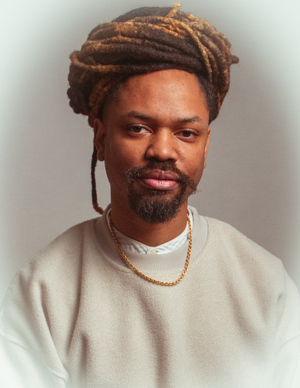
Omari Harebin

Omari Harebin is the founder of SQSPThemes.com — a curated hub of tools, templates, and mentorship for Squarespace designers and developers. With over a decade in the ecosystem and nearly $2M in digital product sales, he helps creatives turn client work into scalable assets and more freedom in their business.

https://www.sqspthemes.com
Previous
Previous

Next
Next

The Proxy